- janellynch66
- No Comments
A pioneering EPIC (Environment and people impact calculating tool) digital toolkit has been developed through a Knowledge Transfer Partnership (KTP) in Wales, UK. Innovate UK offers grant funding for SMEs to accelerate innovative solutions through knowledge transfer working in collaboration with a university partner.
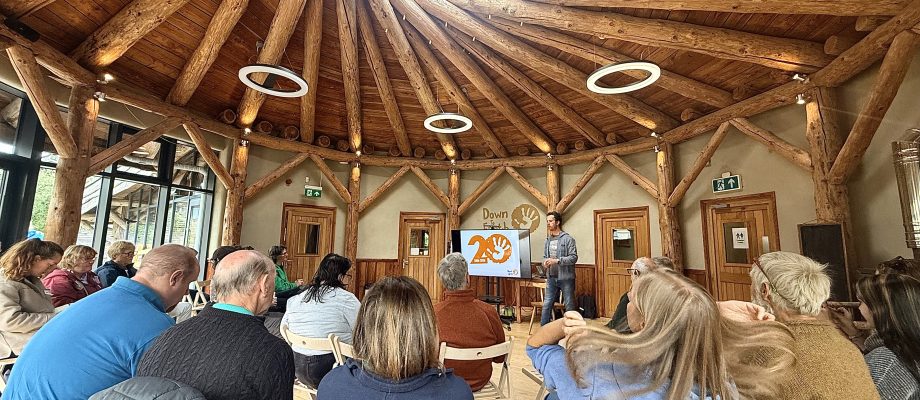
EPIC was developed by Down to Earth (DTE), a social enterprise based on the Gower Peninsula, Wales. It uses eco-building and sustainable construction techniques, including natural materials, to create buildings and spaces that connect people with the natural environment. Through training, education and hands-on projects. DTE supports disadvantaged and marginalised communities, helping individuals develop skills, confidence and wellbeing while contributing to environmental sustainability. By combining social inclusion with practical environmental action, Down to Earth demonstrates how regenerative building practices can create positive outcomes for both people and place.
The public procurement of large construction projects has long been associated with an overriding focus on cost savings and short-term objectives. The UK Procurement Act 2023 introduced a significant shift, requiring buyers to evaluate tenders on the highest sustainable value rather than focusing only on lowest cost. Despite the shift in focus, one central challenge in sustainable procurement remains: how to effectively measure the impacts of these investments. To address this issue, KTP Associate, Hassan Bukhari, developed EPIC through a conceptual framework that considers organizational, market, and government levels. A systematic Literature Review co-authored by Professor Jane Lynch has been published which details the analysis of 58 articles on impact measurement in sustainable construction. The findings reveal divided opinions on measures and methods, and a notable absence of practical and comprehensive impact measurement frameworks. This study reflects on the interconnection between policy and practice and provides insights on how impact assessment can more effectively be captured in the context of sustainable procurement.